


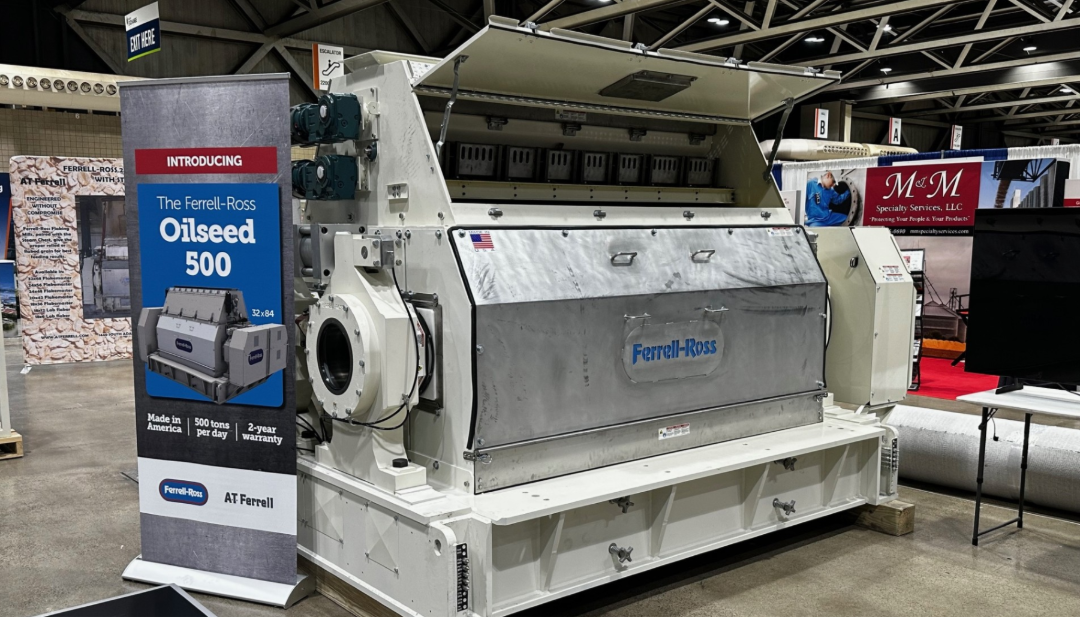
Planning a 500 ton per day oilseed crushing line is a task that extends far beyond the procurement of individual machines. For facility managers and operations leaders, the objective is to balance throughput targets with the physical realities of seed characteristics and process flow. Achieving success at this scale requires a comprehensive view of system integration where every component performs a specific function within the broader production ecosystem. At Ferrell-Ross, we approach these projects as a technical partnership, emphasizing that long-term operational consistency is the result of deliberate engineering and applied process knowledge rather than merely matching equipment specifications to a capacity target.
The Foundations of Successful Oilseed Processing
The success of any crush plant begins long before the first ton of material is processed. Understanding the specific physical properties of the seeds being handled is critical to sizing and configuring your machinery. Different oilseeds, such as soybeans, canola, or sunflower seeds, possess unique oil content, moisture levels, and structural integrity. These variables dictate the required conditioning temperatures and the force required during the flaking stage. A facility manager must account for these variables early in the planning phase to avoid downstream bottlenecks.
Throughput targets serve as the foundation, but operational stability depends on the ability to manage material flow. In a 500 ton per day operation, variations in seed density or temperature can cause significant fluctuations in output. Designing for these contingencies requires a commitment to precise engineering and the integration of robust, industrial-grade equipment capable of handling the physical stress of continuous, large-scale production.
Integrating the 32×84 Flaking Mill
Flaking is a decisive step in oilseed preparation. The objective of flaking is to disrupt the cell structure of the seed, maximizing the surface area and providing a consistent path for solvent penetration or mechanical pressing. The 32×84 flaking mill serves as a cornerstone of this process. It is built to facilitate consistent material reduction, ensuring that flakes meet the rigorous requirements for downstream oil extraction.
The 32×84 mill is recognized for its stable operation and structural rigidity. When integrated into a full system, its performance contributes to the uniform flake thickness necessary to optimize the yield of a crushing line. By providing a stable foundation for the flaking operation, this unit allows operators to maintain the consistency needed to hit throughput targets while minimizing the deviation in flake quality that often leads to increased energy consumption or extraction inefficiencies.
Engineering the Complete Process Flow
The crushing line should be viewed as an integrated system rather than a collection of standalone units. Successful process flow design accounts for the transition of material from pre-cleaning and drying to flaking, and finally to extraction. Each stage must support the one that follows.
- Material Preparation: Efficient cleaning and tempering prevent contaminants from damaging downstream equipment and ensure seeds are at the optimal temperature for effective reduction.
- Controlled Feeding: Maintaining a steady load is essential for a 32×84 mill to provide the uniform flake thickness expected in professional settings.
- Dynamic System Integration: Balancing conveyance speeds with equipment throughput ensures that the crushing line remains stable under varying production pressures.
Ferrell-Ross brings 156 years of experience to this phase. Through laboratory testing, we assist operations leaders in validating their process design. By analyzing material behavior in a controlled setting, we help clients refine their setup before full-scale implementation, reducing the risk of unexpected production issues.
The Role of Technical Partnership
The challenges of maintaining a 500 ton per day facility are constant. Equipment wear, material variability, and the demand for process efficiency are part of the daily environment for any operations director. Rather than serving as a standard vendor, a technical partner provides the support necessary to navigate these complexities. This involves not only supplying machinery but also offering the engineering expertise to customize equipment configurations for specific plant layouts and material profiles.
Professional on-site technical training is a crucial aspect of this partnership. When facility staff are well-versed in the mechanics and maintenance of their machinery, they are better equipped to sustain performance. A well-trained team can identify subtle changes in machine behavior and adjust settings proactively, preventing minor issues from developing into significant production delays.
Sustainable Efficiency and Performance
Performance in an industrial context is measured by the ability of the plant to hit consistent targets over extended durations. Achieving this requires reliable machinery designed for durability. Our approach focuses on custom engineering solutions that prioritize longevity. By utilizing heavy-duty components and precision adjustment mechanisms, our equipment supports the rigorous demands of an oilseed crushing operation.
Focusing on the total cost of ownership rather than the initial investment is essential for facility managers. Equipment that requires frequent interventions or suffers from inconsistent output quality quickly impacts the profitability of a facility. By choosing robust, precisely engineered equipment, operations teams can stabilize their workflows and ensure their crushing lines operate with predictable efficiency.
Strategic Planning for Higher Capacities
For those managing a plant of 500 tons per day or planning an expansion toward a 3000 ton per day crush plant, the engineering requirements shift in scale and complexity. Handling significantly higher volumes necessitates a greater focus on automation, material conveyance, and redundancy. Scaling a process requires rigorous validation of every system component to ensure that the increased flow does not compromise the quality of material reduction or the safety of the operation.
As you transition to higher capacity, consider how your existing process architecture supports your future goals. Engaging with a partner who understands the granular details of particle reduction and material flow is an essential part of preparing for larger-scale production. Success at any scale, whether 500 or 3000 tons, remains tied to the core principles of consistent process design, durable equipment, and technical partnership.
Conclusion
Building a successful 500 ton per day oilseed crushing line is an engineering challenge that rewards thorough planning and long-term perspective. By prioritizing process flow and establishing a robust partnership for custom engineering, facility managers can create reliable, efficient operations that stand the test of time. Whether you are addressing current operational bottlenecks or looking toward larger expansions, the application of precise, dependable equipment like the 32×84 flaking mill provides the foundation you need. To learn how we can assist with your 3000 ton per day crush plant planning, please follow the link in our bio to connect with our technical team.